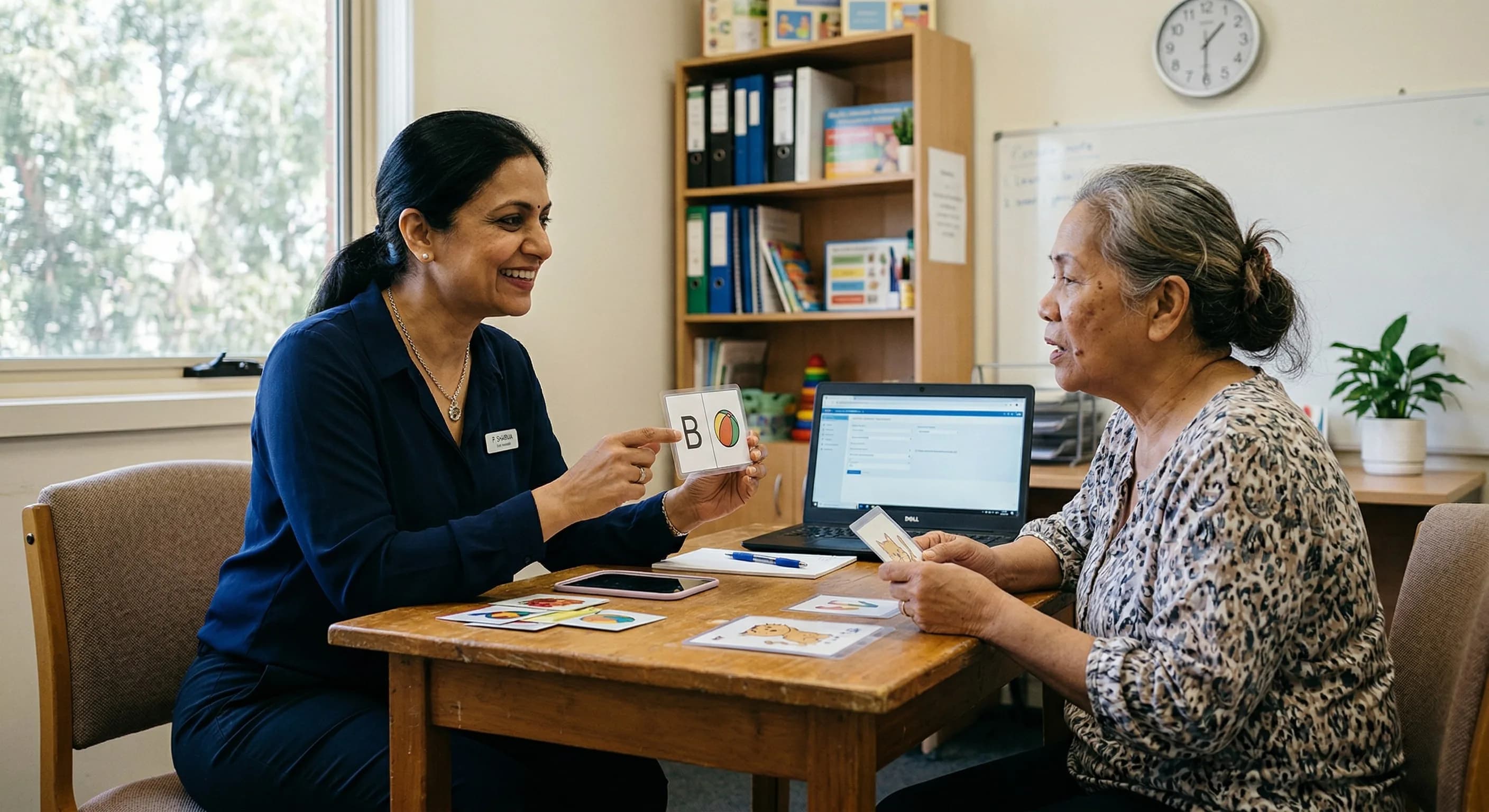
In short: Supported Independent Living (SIL) is NDIS funding for the support workers who help a person with higher support needs live as independently as possible. It pays for the help — not the house, the rent or the bills.
What is Supported Independent Living?
SIL is one of the NDIS home and living supports. It funds the day-to-day assistance a person needs to live in their own home — often around the clock — so they can build skills and take part in their community.
SIL typically covers help with things like:
- Personal care and daily routines
- Household tasks such as cooking and cleaning
- Building daily living and life skills
- Taking part in the community
- Overnight or 24/7 support where needed
Importantly, SIL is support funding, not housing. It does not pay your rent or buy a home. Some people receive SIL alongside Specialist Disability Accommodation (SDA), which is the housing itself.
Who is SIL for?
SIL is generally for people with higher or more complex support needs who need help at home much of the time. It can suit someone who:
- Needs regular help with everyday tasks to live safely
- Wants to build independence with the right support in place
- Lives on their own or shares a home with other participants
Not everyone needs SIL — for people with lower support needs, other supports may be a better fit. Your planner or support coordinator can help work out what suits you.
How does SIL work day to day?
In a SIL arrangement, support workers assist residents based on an individual plan built around their goals. In a shared home, some supports are shared between residents and some are one-to-one. The focus is always on building skills and independence over time, not doing everything for the person.
Our SIL homes across Melbourne's western suburbs provide a safe, comfortable environment with personalised support, and our support workers can be available around the clock depending on need.
How can you access SIL?
SIL is funded through the NDIS and usually requires evidence of your support needs. The process often involves an assessment and a roster of care that sets out the support you need.
You can explore our SIL accommodation service, learn about our broader NDIS support services, check your eligibility, or make a referral. Prefer to talk first? Contact our team — support is available in several languages.
Frequently Asked Questions
Does SIL pay for rent or housing?
No. SIL funds the support workers who help you live independently — not rent, bills or the home itself. Housing may be funded separately, for example through Specialist Disability Accommodation (SDA) for people who are eligible, or paid for like any other rental.
What is the difference between SIL and SDA?
SIL is funding for support — the people who help you day to day. SDA is funding for specialist housing — homes designed for people with very high support needs. Some people have both in their plan; many have one or neither.
Do I have to live with other people to get SIL?
No. SIL can be provided whether you live alone or share a home with other NDIS participants. Sharing can make some supports more cost-effective, but the right setup depends on your needs and preferences.
How do I know if SIL is right for me?
SIL is generally for people who need support at home much of the time. If your support needs are lower, other NDIS supports may suit you better. A planner or support coordinator can help you compare your home and living options.
Is SIL available in Melbourne's west?
Yes. We provide SIL accommodation across Melbourne's western suburbs, including the Truganina and Wyndham areas, with support tailored to each resident's goals.
Trusted sources for further reading
This article is general information only and does not replace individual advice. For advice about your situation and plan, please contact the NDIS or speak with your support coordinator or planner.